General Discussion
Related: Editorials & Other Articles, Issue Forums, Alliance Forums, Region Forums
Shchedryk: The Ukrainian Folk Song That Became "Carol of the Bells"
Based on a traditional Ukranian shchedrivka, a seasonal folk song originally celebrating the solstice or New Year and wishing for good fortune, this piece was arranged in the form familiar worldwide by Mykola Leontovych, a trained priest as well as a teacher, composer, conductor, chorist and multi-instrumentalist, who was murdered by a Soviet assassin in 1921 as a troublesome member of the Ukrainian intelligentsia, which led to his becoming a martyr of the Eastern Orthodox Ukrainian Church.
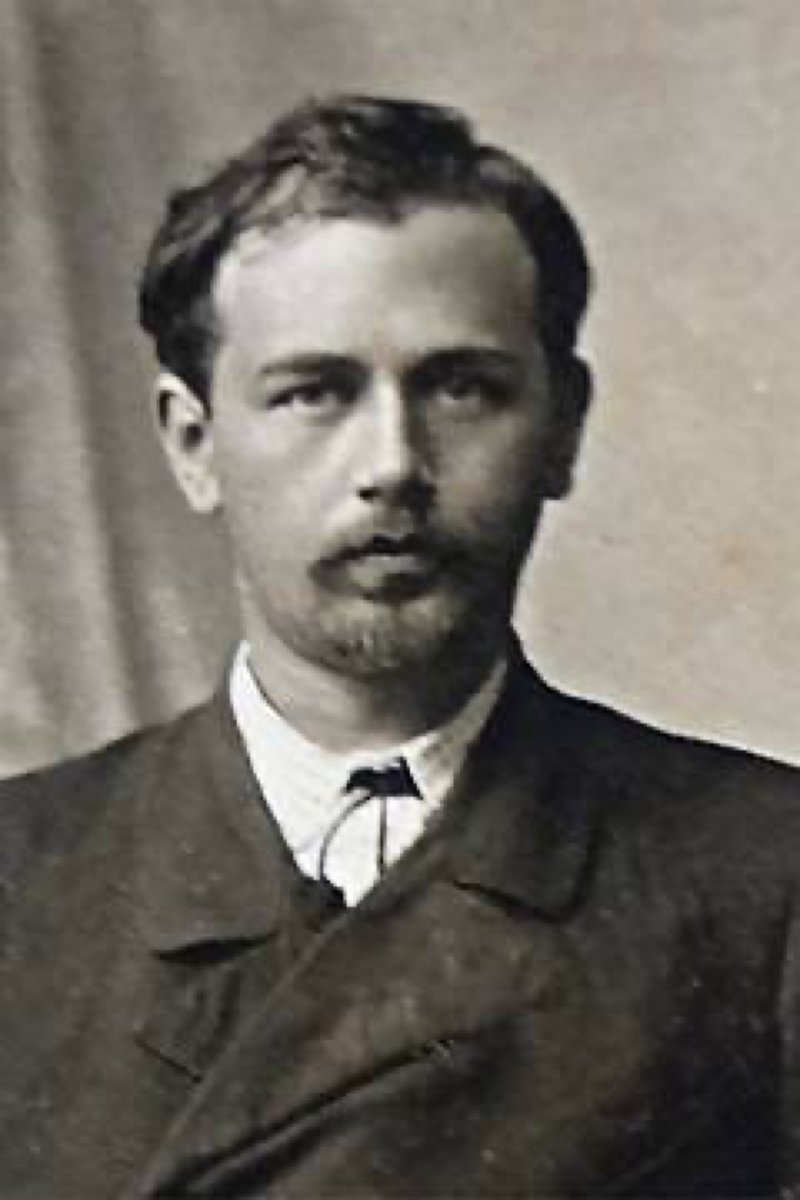
Mykola Leontovych (1877-1921)
In 2018, he was honoured with the erection of a statue in Pokrovsk, which has been in the news recently, where he spent a productive period of his career as a teacher.
This remarkable performance from a concert in Maastricht, the Netherlands on November 17 was prompted when vocal soloist Anna Reker asked Dutch conductor and violinist André Rieu if they could perform the song as a tribute to her countrypeople in their time of war. Rieu immediately agreed.
"Shchedryk" means the bird the swallow, and the lyrics of the widely known English-language "Carol of the Bells" have nothing in common with those of the Ukrainian one, which can be translated as:
A swallow has flown,
It began to twitter,
And call the master:
“Come out, come out, O Master,
Take a look at the sheep pen,
There the ewes have given birth,
And the lambkins have been born,
All your goods are great,
And you will be rich
Though not money, it is chaff —
You have a dark-eyebrowed wife
Shchedryk, shchedryk, shchedrivochka,
A swallow has flown.
It really is a fine performance, especially from Anna Reker. Rieu's arrangement is remarkable for its sensitivity, allowing Reker's vocal to float delicately throughout - no mean feat with a full orchestra and chorus and a 400-piece brass band involved. The final notes, where Reker's voice is left to stand alone again, leave Rieu appreciatively open-mouthed, along with many of the audience, or at least those who aren't wiping away tears.
On those final notes Reker opens her hands to the audience, as if releasing the swallow into the auditorium along with its blessings.
When I posted this YouTube in Music Appreciation a couple of weeks ago, DUer Goonch helpfully added these further details in the replies:
During this time, Ukraine was in the midst of great political and social unrest as it was dragged into World War I. Ukrainian soldiers were initially divided, some fighting for Austria-Hungary and the Central Powers, while most served under the Russian Imperial Army. When Imperial Russia collapsed as a result of the Russian Revolution in 1917, the focus of the conflict shifted to the Ukrainian War of Independence, culminating in the brief formation of an independent Ukrainian government.
By 1919, Koshyts, the conductor who commissioned “Shchedryk,” began taking the piece on tour around the world with the Ukrainian National Chorus, promoting Ukrainian music and culture. The group performed over 1,000 concerts across Europe, North America, and South America.
On October 5, 1921, the Ukrainian National Chorus performed “Shchedryk” before a sold-out audience at Carnegie Hall. Peter J. Wilhousky, an American composer, music educator, and choral conductor of Ukrainian descent, attended the Carnegie Hall concert and wrote the English version of the lyrics, passing it along to NBC Radio in 1922. The rest, as they say, is history. Wilhousky continued to produce choral arrangements throughout his career, creating translations and arrangements of music from the Slavonic liturgy and a popular arrangement of “The Battle Hymn of the Republic,” all of which are still in use today. Wilhousky is also remembered for establishing the All City High School Chorus in 1936, a chorus of some 250 talented high schoolers from all five boroughs of New York."
https://www.kdfc.com/articles/the-ukrainian-folk-tune-behind-carol-of-the-bells
 = new reply since forum marked as read
Highlight:
NoneDon't highlight anything
5 newestHighlight 5 most recent replies
= new reply since forum marked as read
Highlight:
NoneDon't highlight anything
5 newestHighlight 5 most recent replies

Easterncedar
(5,423 posts)Thank you, Emrys! DU is such a generous and warm and enlightening community, as this post entirely proves.
Bluepinky
(2,512 posts)
musette_sf
(10,451 posts)didn’t make the cut

democrank
(12,065 posts)Thank you for posting this.

chowder66
(11,762 posts)That was beautiful and it made me weep.
Thank you for sharing the story about the song and the composer.

littlemissmartypants
(31,442 posts)
Billsdaughter
(124 posts)The song of our people. Thank you for this!