Web of undersea cables poised to become marine observatory
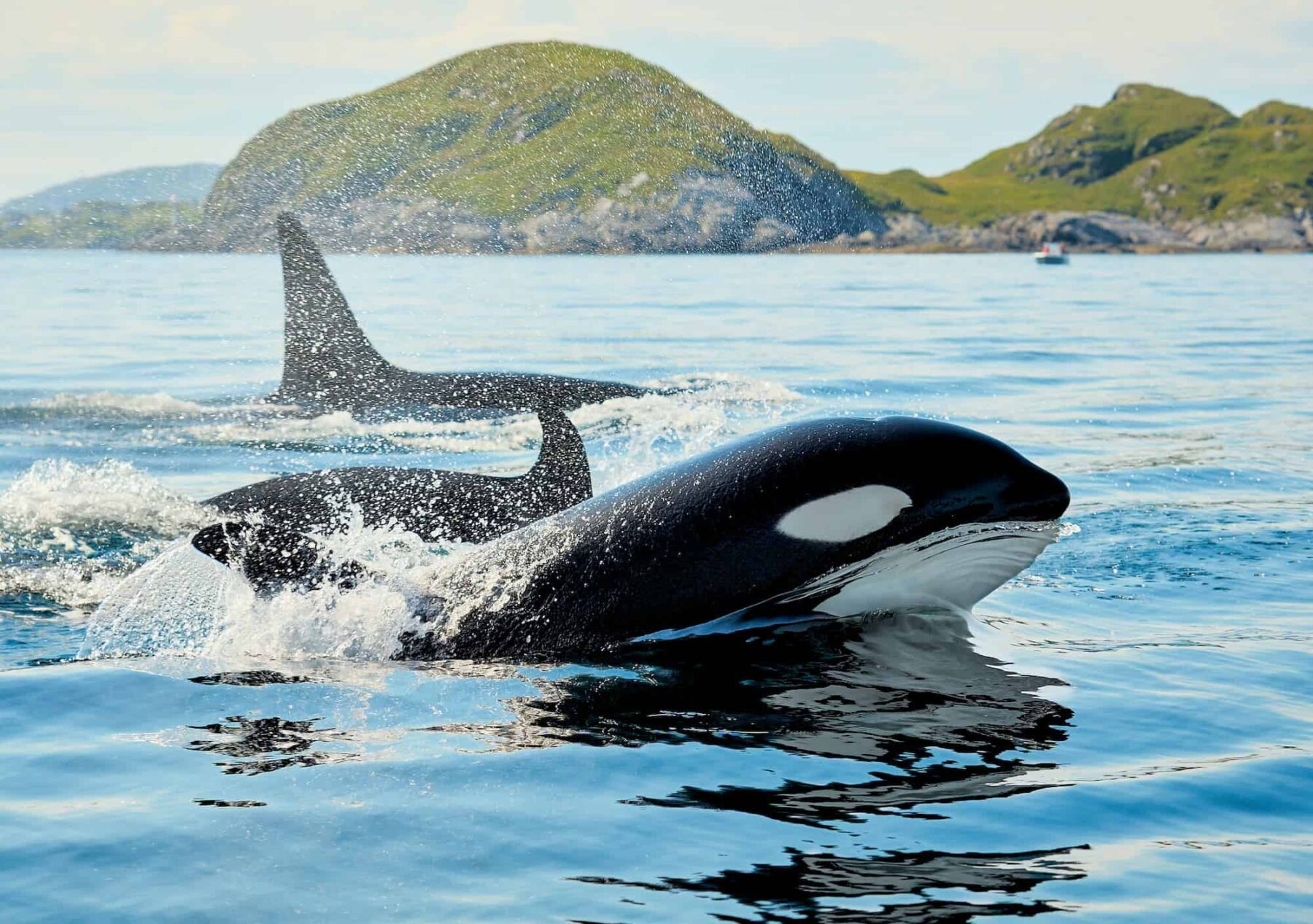
Telecom infrastructure at the ocean floor is being harnessed as a powerful conservation tool for vulnerable marine mammals
Words by
Robin Eveleigh
February 16, 2026
A hidden network of underwater fibre optic cables could offer unprecedented new insights into the lives of some of the world’s most threatened and elusive sea creatures.
That’s the hope of researchers from the University of Washington, US, who have laid 1.25 miles of cable across Puget Sound, just south of the Canadian border, to eavesdrop on the region’s endangered southern resident orcas.
The technique, known as distributed acoustic sensing (DAS), works by firing laser pulses through the fibre optic cables and analysing tiny disturbances caused by vibrations and sound. It’s already been used to monitor earthquakes and in recent years has proved adept in detecting marine mammals.
Now the University of Washington’s Dr Shima Abadi hopes to use DAS to track orcas by mapping the distinctive clicks they make as they hunt and navigate. If successful, the system could provide early warnings to ships to slow down or steer clear, reducing the risk of disturbing or injuring the whales. Scaled up, the approach could tap into the 870,000 miles of fibre optic cable criss-crossing the planet’s oceans.
“This innovative approach could be a break-through in conservation efforts and open new possibilities to expand analysis on a much larger temporal and spatial scale,” said Abadi.
https://www.positive.news/environment/conservation/web-of-undersea-cables-poised-to-become-marine-observatory/
