Science
Related: About this forum
Diabetes rates are lower in high-altitude environments & scientists may have discovered why
New research points to an unexpected role of red blood cells in controlling blood sugar
By: Science Desk
4 min read Updated: Apr 6, 2026 06:54 PM IST
By: Science Desk
4 min read Updated: Apr 6, 2026 06:54 PM IST
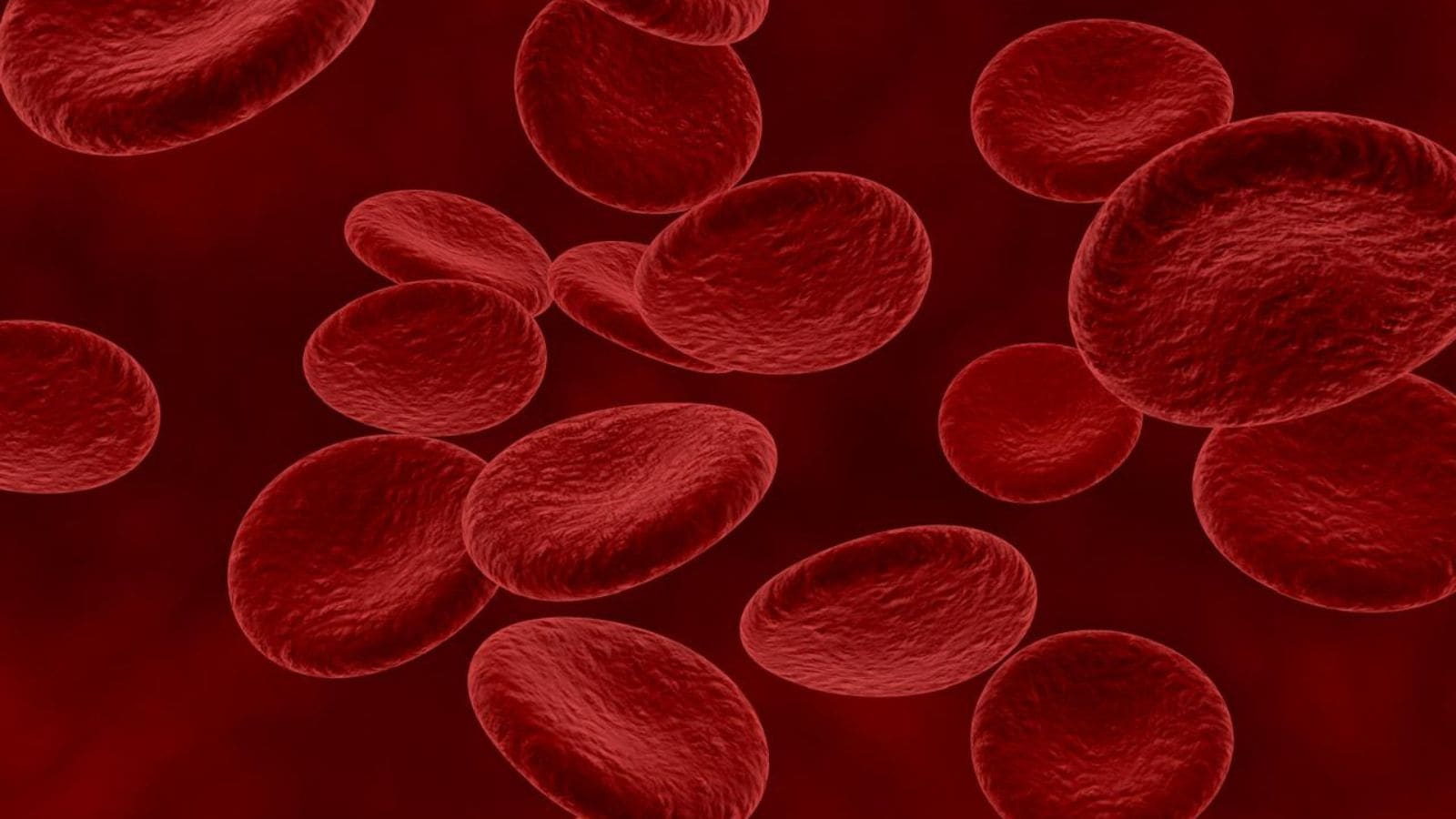
Scientists discovered that red blood cells take up extra glucose from the bloodstream in a low-oxygen atmosphere, rather than utilising it as fuel. (Image for representation: Freepik)Scientists discovered that red blood cells take up extra glucose from the bloodstream in a low-oxygen atmosphere, rather than utilising it as fuel. (Image for representation: Freepik)
For years, scientists have observed a curious pattern: people living at high altitudes, from the Andes to the Himalayas, tend to have lower rates of diabetes. While the link has been clear, the reason behind it has remained uncertain. New research offers a possible explanation, and it centres on how the body behaves in low-oxygen conditions.
Deeper insights into oxygen levels and blood sugar
The human body undergoes various adjustments to cope with hypoxia, which is when the environment lacks oxygen, such as at high altitudes. According to a recent experiment on mice, one of these mechanisms might directly impact blood sugar.
Scientists discovered that red blood cells take up extra glucose from the bloodstream in a low-oxygen atmosphere, rather than utilising it as fuel. These cells instead transform the glucose into a substance that aids in distributing oxygen throughout body tissues.
“The study demonstrates how vital the role of red blood cells is in diabetes management,” Isha Jain, who conducted the study and is a biochemist at the Gladstone Institutes and the University of California, San Francisco, told the Live Science website. “That’s the concept to be targeted in the future.”
More:
https://indianexpress.com/article/technology/science/diabetes-rates-are-lower-in-high-altitude-environments-scientists-may-have-discovered-whydiabetes-rates-are-lower-in-high-altitude-environments-and-scientists-may-have-discovered-why-10622137/
 = new reply since forum marked as read
Highlight:
NoneDon't highlight anything
5 newestHighlight 5 most recent replies
= new reply since forum marked as read
Highlight:
NoneDon't highlight anything
5 newestHighlight 5 most recent replies

niyad
(134,034 posts)closely with regard to what, exactly, is "high altitude" to them.

Pinback
(13,655 posts)
niyad
(134,034 posts)
Buddyzbuddy
(2,901 posts)Maybe there is somebody here that can answer a question I have.
Those with sleep apnea are oxygen starved. If this theory were to hold then why would so many with sleep apnea not have fewer diabetics?

live love laugh
(16,482 posts)Buddyzbuddy
(2,901 posts)can be measured throughout the day.
live love laugh
(16,482 posts)Sleep apnea is generally not detected by measuring oxygen levels during the day, as oxygen saturation usually remains normal (95-100%) when awake. Daytime apnea episodes are extremely rare, except in severe cases of central sleep apnea. Diagnosis relies on detecting significant dips in oxygen levels during sleep.
Buddyzbuddy
(2,901 posts)and can determine deprivation measured in percentages.
live love laugh
(16,482 posts)Buddyzbuddy
(2,901 posts)I have been told by doctors that were measuring for oxygen levels in sleep apnea patients at times other than sleep apnea testing. I was surprised they could measure the effects of apnea on oxygen levels at different times of day.
live love laugh
(16,482 posts)
Attilatheblond
(9,236 posts)Wondering if those mountain people also get more exercise.
live love laugh
(16,482 posts)
Wonder Why
(7,232 posts)
Kick in to the DU tip jar?
This week we're running a special pop-up mini fund drive. From Monday through Friday we're going ad-free for all registered members, and we're asking you to kick in to the DU tip jar to support the site and keep us financially healthy.
As a bonus, making a contribution will allow you to leave kudos for another DU member, and at the end of the week we'll recognize the DUers who you think make this community great.